

Explore Our FAQ
Our philosophy centers on practice-led learning: short, focused projects paired with structured feedback so you develop reliable creative habits. The FAQ below explains how pathways, mentorship, and peer review work together to move learners from experimentation to purposeful, portfolio-ready outcomes.
Each pathway combines focused practice briefs, demonstrated techniques, and staged critique loops. You receive clear exercises to build technical control, guided assignments to develop compositional judgement, and iterative mentor review so progress is visible. Resources and project templates help you turn practice into publishable work and a coherent portfolio.
Scheduling is designed to fit real lives: pathways allow flexible pacing and you can shift checkpoints when needed. We encourage regular checkpoints so momentum is maintained, and mentors help reframe missed sessions into achievable next steps rather than lost time.
Module length varies by depth and outcome: short practice modules focus on single skills and can be completed in a few focused sessions, while portfolio modules include multiple shoots, edits, and revisions. Each module lists expected time commitments so you can plan around your schedule.
Results that strengthen creative mastery
Professional Pathways
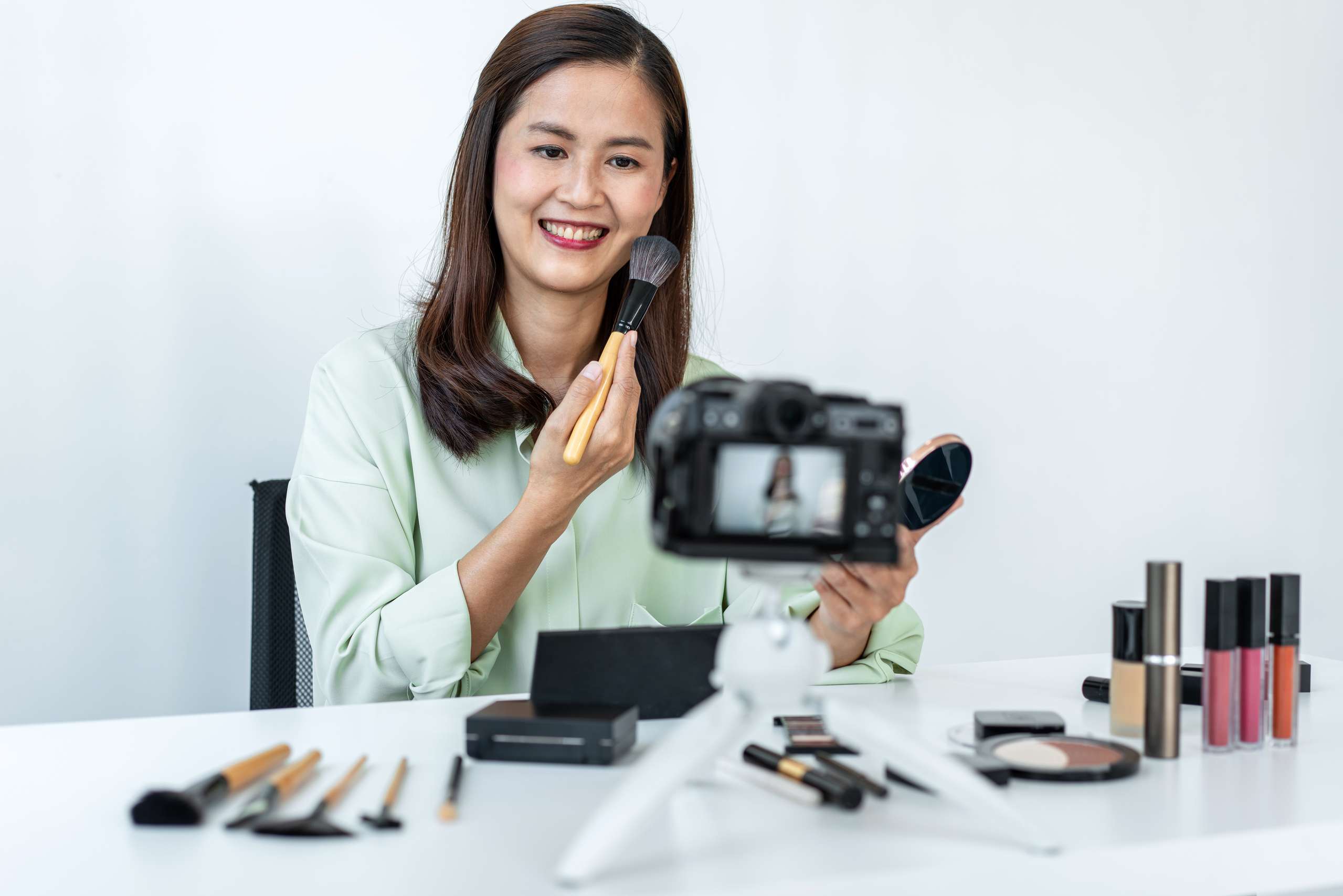
Programs for professional applications focus on client-facing shoots, brand visual strategy, and repeatable workflows. Expect project briefs that simulate real assignments, critique from practicing creatives, and deliverables formatted for professional presentation.

Personal Projects & Portfolios
Pathways for personal work emphasize discovery, narrative, and cohesive editing. Assignments guide you from concept to finished sequence, with checkpoints to refine framing, color, and storytelling so your personal vision becomes publishable.
Student reflections on our methodology
Learner Feedback & Outcomes
The practice-led briefs transformed how I approach light and framing. Feedback was specific, actionable, and tied to the projects I was building; the steady revision cycles made improvement feel inevitable rather than accidental.
Emi Sato
Working through project stages helped me make decisive editing choices. Critiques were concise and taught me how to prioritize impact over perfection. My images now communicate intent with more clarity and purpose.

Hiroshi Nakamura
The combination of short technical drills and longer creative briefs accelerated my judgement. Peer feedback cycles were especially valuable — they revealed blind spots and pushed me to make bolder compositional decisions.